
Smart Coverage Tips for Your Summer Adventure Gear
Julie Akin
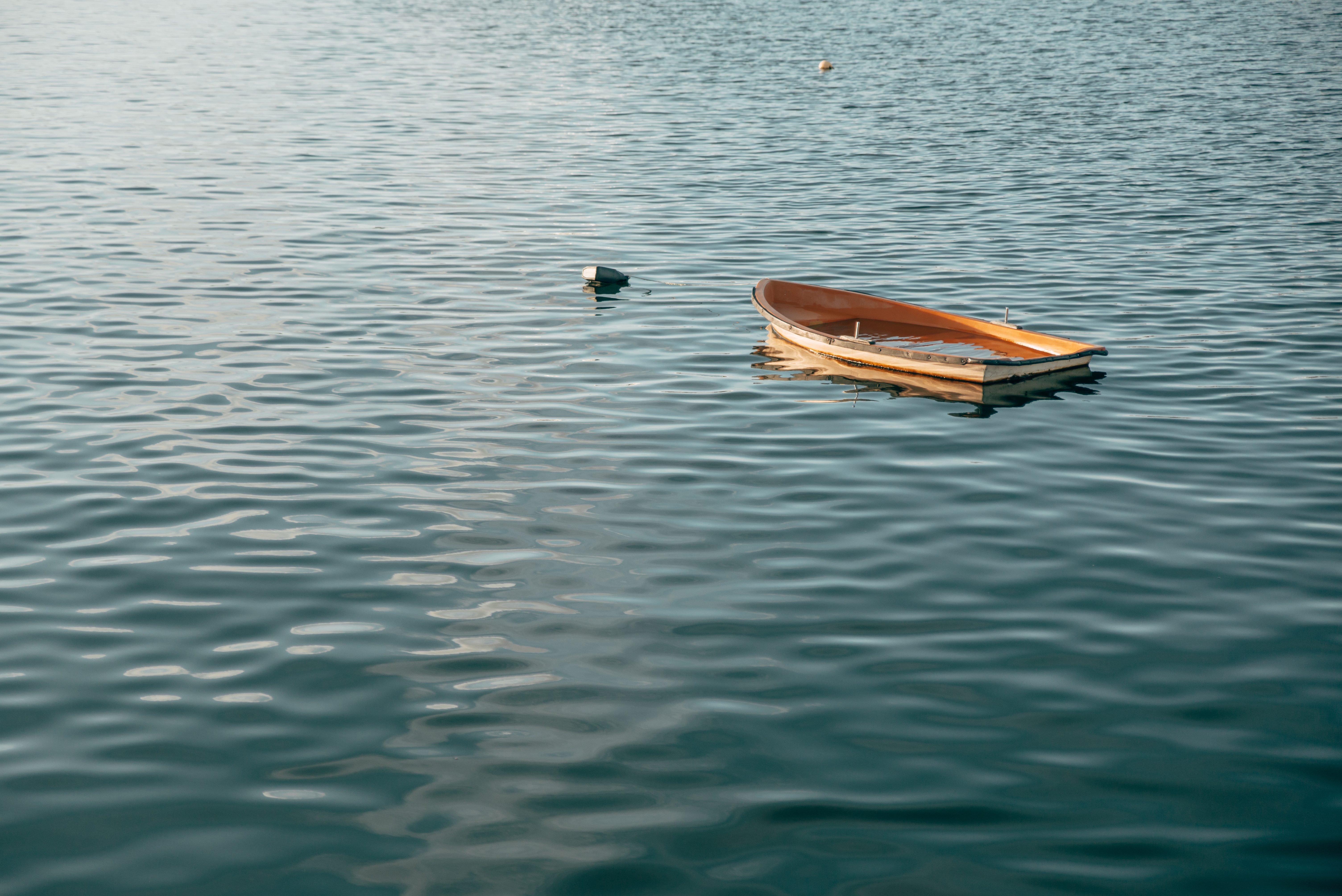
Summer fun often comes with boats, RVs, motorcycles, and ATVs, but each of these vehicles carries risks that standard home or auto policies may not fully address. A quick insurance check before the season begins can help prevent costly surprises. This guide offers a fresh look at how coverage typically works for common summer vehicles and why specialized policies matter.
Why Seasonal Vehicles Often Need Their Own Policies
Recreational vehicles are used in ways that differ from everyday transportation or typical household items. Because they face unique threats—ranging from theft and accidents to weather-related loss—traditional policies may only offer partial protection or exclude certain events entirely. If a claim falls outside your existing coverage, you could be left handling repairs, medical bills, or liability costs on your own.
Specialized insurance accounts for how each type of summer vehicle is used and stored. These policies are built around the risks that come with recreational use, which means skipping proper coverage can create financial and even legal issues.
Boat Insurance: Coverage for the Water and Beyond
Boat insurance typically has a structure similar to auto coverage, combining protection for your vessel with liability safeguards. Most policies include physical damage insurance, which may help with repair or replacement if your boat is harmed by a storm, theft, vandalism, or a collision while in the water or at the dock. Many policies also include medical payments coverage to help with injuries involving you or passengers.
Liability coverage is another important component, offering financial protection if you accidentally injure someone or damage another boat, dock, or property. Some insurers also provide uninsured or underinsured boater coverage to help you recover costs if the at-fault party lacks sufficient insurance.
Optional add-ons may include towing assistance, emergency support, or protection for personal equipment such as fishing supplies or onboard belongings. Insurers often request details like the boat’s age, motor type, storage location, and your boating experience before finalizing a policy.
Just as important is understanding what boat insurance doesn’t cover. Damage from wear and tear, poor maintenance, or gradual deterioration is usually excluded. Coverage can also vary by location and boating season guidelines. If you haul your boat using a trailer, it’s wise to verify how insurance applies during transit and while the trailer is stored.
RV Insurance: Tailored Protection Based on How You Travel
Recreational vehicle insurance is designed to protect both motorhomes and towable trailers from accidents, weather hazards, theft, and liability. Motorhomes typically require liability insurance by law, while comprehensive and collision coverage may be optional unless your RV is financed.
Comprehensive coverage applies to non-collision events like fire, vandalism, severe weather, theft, and animal-related losses. Collision protection applies when your RV hits another vehicle or object. These coverages can help reduce your out-of-pocket costs after an unexpected incident.
Travel trailers operate differently because they aren’t motorized. Liability coverage often comes from the towing vehicle. Separate trailer policies may cover physical damage but not liability while the trailer is being towed. For added peace of mind at campsites, some RV owners choose vacation liability coverage.
RV policies may also include medical payments coverage, uninsured and underinsured motorist protection, roadside help, emergency expenses, and coverage for belongings inside the RV. Certain plans even extend to pets traveling with you. Common exclusions include routine wear, deterioration, and many types of moisture damage such as rot or mold.
Motorcycle Insurance: Essential Protection for Every Rider
Whether you ride a motorcycle, scooter, or moped, insurance helps protect you from financial fallout after an accident or theft. Nearly every state requires motorcycle owners to carry minimum liability coverage.
Skipping coverage can result in hefty penalties, including fines, suspended licenses, or lawsuits. Even older bikes benefit from liability protection, and lenders typically require collision and comprehensive coverage for financed motorcycles.
Insurance costs depend on factors such as your age, driving history, location, vehicle type, and coverage limits. Regardless of the bike’s value, having adequate insurance helps shield you from unexpected expenses after an accident.
ATV Insurance: Closing the Gaps Many Owners Overlook
ATVs often fall into a gray area of coverage. Many homeowners policies provide only limited liability protection, and some restrict that coverage to use strictly on your own property. Because ATVs are frequently taken off-site, a standalone policy is often the best way to ensure coverage follows you wherever you ride.
ATV insurance commonly includes liability coverage, collision coverage, comprehensive coverage, uninsured and underinsured motorist protection, and medical payments coverage. Collision protection usually applies to damage that affects the ATV’s operation, while comprehensive coverage handles non-collision events such as fire or theft and may include permanently attached accessories.
Medical payments coverage offers help with treatment costs after an ATV accident, regardless of fault. If you haul your ATV, confirm how insurance applies during transport, as damage sustained in transit may require separate trailer protection.
A Quick Policy Review Helps Keep Summer Stress-Free
Skipping insurance on your seasonal vehicles can lead to expensive problems or even legal issues. A short review of your policies before adventure season starts can help keep your summer focused on fun, not financial setbacks.
If you’re unsure whether your boats, RVs, motorcycles, or ATVs have the right protection in place, reach out to our team. Budget Insurance is here to help you plan a summer full of adventure with confidence.